I Swear: 3 Lessons From the Boy Everyone Called the Rudest Kid in Town
A smart, athletic, well-liked 13-year-old with a loving, supportive family became, in the space of a few months, the most disliked person in his own household, his school, and his town. Not because anything happened to him — but because of something happening inside him that no one, including him, understood yet.
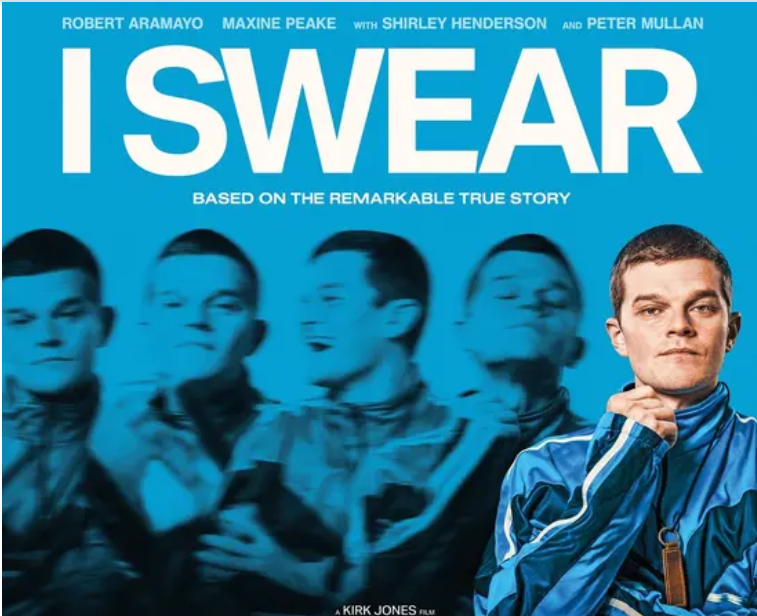
I Swear tells the true story of John Davidson, a Scottish man diagnosed with Tourette syndrome at 15 in 1980s Galashiels, Scotland. Directed by Kirk Jones and starring Robert Aramayo — who won the BAFTA for Best Actor for the role — the film follows Davidson from a misunderstood, isolated teenager to a campaigner honored with an MBE from the Queen in 2019 for his work raising awareness of the condition.
A Kid Who Ran Out of Answers
John didn’t do anything to deserve what happened to him. One day he was the kind of teenager parents brag about; not long after, he was swearing at people he loved, lashing out physically without meaning to, and getting blamed for behavior that felt, to him, completely out of his control. He kept asking the only question that made sense: what happened to me, and what did I do to deserve this?
Isolated and hopeless, he reached a point of wanting to end his life. His mother, a former hospital nurse, took early retirement to become his full-time caregiver, trying medication after medication to control tics she didn’t yet have a name for.
Lesson 1: What You Pay Attention to Is What Grows
The turning point in John’s story didn’t come from a cure. It came from a woman named Dottie — the mother of his best friend — who took him in without trying to fix him, judge him, or turn him into someone he couldn’t be. Instead of reacting to every outburst, she and her household made a quiet decision to focus on who John actually was underneath the tics: his humor, his loyalty, his willingness to work hard.
The film makes this idea explicit through one household rule Dottie set: John never had to apologize for anything he couldn’t control. That single boundary did something medication alone hadn’t — it gave the parts of him that were actually his room to grow, instead of getting buried under shame for the parts that weren’t.
Lesson 2: Being Accepted As You Are Can Matter More Than Being Fixed
John’s first real step out of his darkest period wasn’t a treatment — it was leaving the safety of his mother’s house, stopping his medication, and building an independent life: finding a job, living on his own terms, being treated like anyone else. His first employer, Tommy, later testified in court on his behalf, calling him one of the best employees he’d ever had — someone who, tics and all, did every task carefully and on time.
That court ruling didn’t just change John’s life. It was one of the first times police in his area were forced to legally recognize that Tourette syndrome was a real, involuntary condition — not defiance, not an excuse. Understanding, in his case, didn’t come from people deciding to be kind. It came from being forced to actually look at the evidence.
Lesson 3: Legal Recognition and Real Acceptance Aren’t the Same Thing
Davidson’s real-life story didn’t end with the movie. In February 2026, at the very same BAFTA ceremony where Robert Aramayo won Best Actor for playing him, Davidson had a public Tourette’s episode during the broadcast that included a slur — leading to a formal apology from the BBC. The moment became a stark, unplanned postscript to the film’s whole argument: society can accept, on paper, that a condition is involuntary, and still struggle, in the moment, to actually sit with it.
It’s a reminder that understanding a diagnosis intellectually and offering real grace in the moment are two different skills — and most people, even well-meaning ones, still need practice with the second.
The Real Lesson Behind the Swearing
One detail from the film stands out: when John swore in public, the people who reacted most strongly were often the ones who felt the insult secretly applied to them. Everyone else just assumed he was talking to himself. A word, on its own, has no power to hurt anyone — it’s the meaning we choose to attach to it that does.
John Davidson didn’t need to perform good behavior by society’s standards to actually be a good person underneath. He built a life helping others exactly like him, without ever pretending to be someone he wasn’t. That, more than the diagnosis, is the part of his story worth remembering.
This is part of an ongoing series analyzing biographical films for the real-life lessons hidden inside them. Watch the full video breakdown (in Persian) on the Filmraah YouTube channel.

